





.
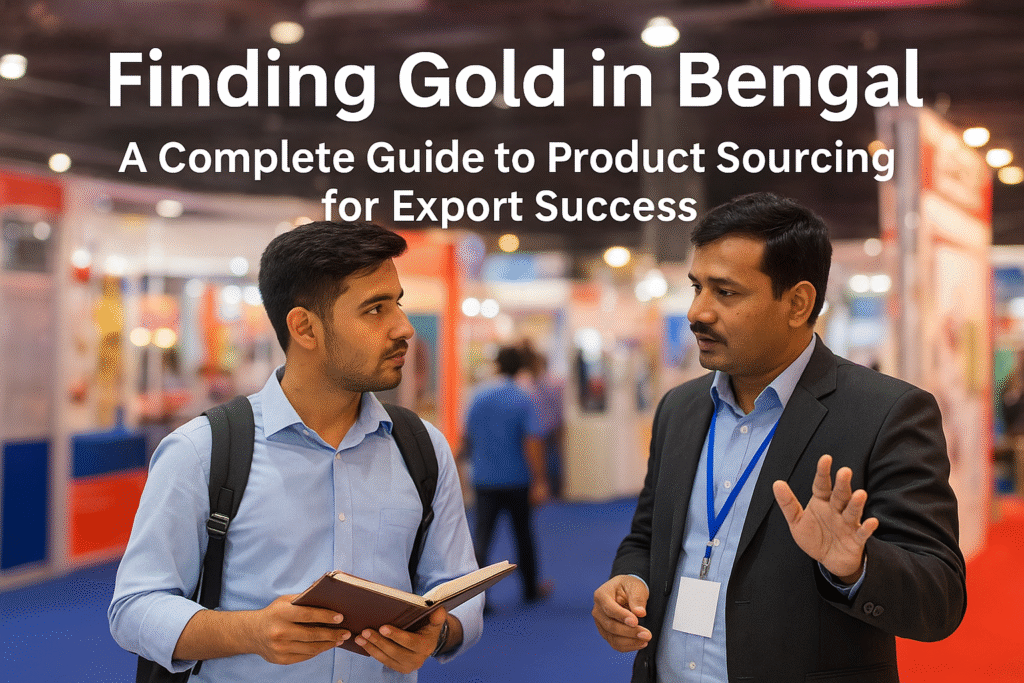
Understanding Product Sourcing for Export Business
1.1 What Export Product Sourcing Means — and Why It Matters
Product sourcing for exports is the process of finding, selecting, and working with manufacturers or suppliers who can consistently deliver goods for international markets. Unlike domestic sourcing, export sourcing must match global quality standards, delivery timelines, and packaging requirements. Strong sourcing directly affects your brand image, buyer trust, and long-term business growth.
1.2 Key Factors That Make a Product Export-Ready
An export-ready product must meet three important conditions:
- It must match international quality and safety standards
- The price must remain competitive after adding freight and duties
- The supplier must be capable of handling bulk production without quality loss
Documentation, labeling, packaging strength, and regulatory approvals also play a major role.
1.3 Building Long-Term Supplier Relationships
Successful exporters don’t change suppliers frequently. They build partnerships based on honesty, fair pricing, and steady communication. A good supplier relationship helps during urgent orders, custom production, market fluctuations, and product upgrades.
2. West Bengal’s Product Strengths for Export
2.1 Traditional Handicrafts and Artisan Products
Terracotta items, dokra metalwork, handloom fabrics, Baluchari sarees, and Kantha embroidery are globally admired. These products sell well in premium gift, decor, and fashion markets. Proper certification and branding add strong export value.
2.2 Fashion and Lifestyle Goods
West Bengal has strong potential in:
- Leather bags and footwear
- Cotton and silk garments
- Home furnishings like bedsheets and curtains
These products perform well in retail exports, private labeling, and online cross-border selling.
2.3 Industrial and Marine Products
The state is also strong in:
- Chemical and pharmaceutical ingredients
- Engineering components
- Frozen fish and seafood exports
These sectors offer bulk orders and repeat business but require strict compliance and inspections.
3. Major Trade Fairs and Exhibition Centers in West Bengal
Trade fairs connect exporters directly with suppliers and buyers.
Key Advantages:
- Live product inspection
- Direct price discussions
- Networking with manufacturers
- Market trend discovery
Sector-specific expos for leather, chemicals, food processing and handicrafts are especially valuable.
4. Directory-Based Sourcing and Research Methods
Government & Industry Directories
You can use:
- Export Promotion Council member lists
- District Industries Centre (DIC) databases
- State industrial development portals
These sources provide verified supplier data.
Online Platforms & Marketplaces
B2B platforms, trade directories, and industry portals help you shortlist suppliers before physical visits.
Field-Level Research
Visiting industrial clusters and artisan villages gives you ground-level understanding of production, labor skill, and manufacturing capacity.
5. Quality Assessment & Supplier Verification
Before finalizing any supplier, always check:
- Production capacity
- Quality control systems
- Past export experience
- Financial stability
Use small trial orders before scaling volume.
✅ SUMMARY
West Bengal is a powerful sourcing destination for exporters seeking both handmade and industrial products. When you combine proper research, verified suppliers, trade fair participation, and strict quality checks, your chances of export success increase significantly. Strong sourcing is not just about low prices—it is about reliability, consistency, and global compliance.
✅ FREQUENTLY ASKED QUESTIONS (FAQs)
Q1: How can I identify genuine suppliers at trade fairs?
Always verify business registration, ask for past buyer references, and visit manufacturing units when possible.
Q2: What is the general MOQ for suppliers in West Bengal?
Handicrafts may start from 50–100 pieces, while industrial products usually require 500–1000+ units.
Q3: How do I ensure consistent quality?
Maintain written quality specs, keep samples, and use third-party inspections when needed.
Q4: What documents should I collect from suppliers?
Invoices, packing lists, quality certificates, and certificates of origin are essential.
Q5: How should I negotiate pricing?
Understand market pricing, production costs, and focus on long-term business rather than only low rates.