





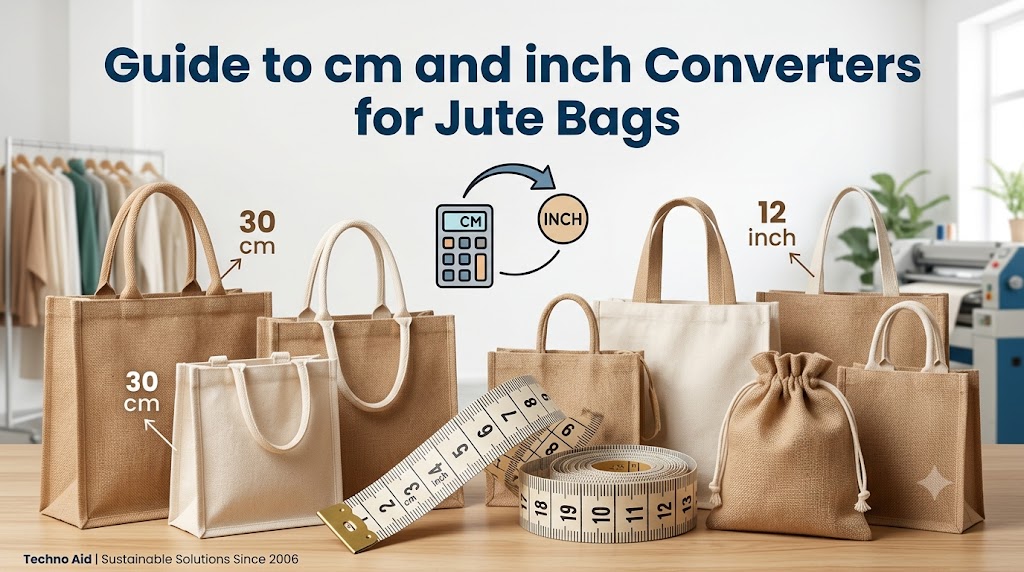
Introduction to Bag Sizes
Understanding bag sizes is vital in various areas, especially when it comes to the functionality and aesthetic appeal of jute bags. Bag sizes typically refer to the dimensions that define the volume and shape of a bag, a factor that significantly influences its intended use. Jute bags, known for their strong and durable nature, come in various sizes that cater to diverse needs—ranging from shopping and gifting to fashion accessories.
The importance of comprehending bag sizes cannot be overstated, particularly in the context of jute bags. First and foremost, it aids consumers in selecting appropriate bags that meet specific requirements. For instance, when shopping for groceries or everyday essentials, a larger jute bag may be preferable for carrying heavier items, while a smaller variant might be more suitable for lightweight products or fashion statements. Furthermore, understanding bag sizes enhances usability and practicality, which are crucial factors for both sellers and buyers.
Additionally, the concept of bag sizes is paramount in the realm of sustainability. Jute bags, being eco-friendly alternatives to plastic, have gained significant popularity due to their reusability and biodegradable properties. However, the effectiveness of jute bags as a sustainable choice largely depends on their sizes. An appropriately sized jute bag can discourage the use of multiple bags during shopping trips, ultimately contributing to a reduction in waste.
In summary, awareness of bag sizes, especially that of jute bags, plays a critical role in consumer decisions and environmental impact. Being informed about bag dimensions empowers individuals to make choices that align with their personal needs while promoting sustainability in a modern context.
Understanding Units of Measurement: cm and Inch
Units of measurement play a crucial role in everyday life, especially when it comes to understanding dimensions, such as those of jute bags. Two predominant unit systems are centimeters (cm) and inches, each with its unique historical context and global usage. Centimeters, part of the metric system, are widely adopted across the world, particularly in scientific and everyday applications. The metric system originated in France during the late 18th century and was designed to be straightforward and universal. As a result, most countries have embraced centimeters as a standard unit of measurement.
On the other hand, inches are a unit from the imperial measurement system, primarily used in the United States and a few other countries. The word “inch” traces back to the Latin term “uncia,” which means one-twelfth, relating to how inches were historically measured as one-twelfth of a foot. Because of this geographical divide, it becomes imperative for consumers and manufacturers alike to be fluent in both cm and inches, particularly when working with items such as jute bags where precise dimensions are vital.
Understanding both units is particularly important for consumers, as it allows for better purchasing decisions. For example, when evaluating the sizes of jute bags, knowing the dimensions in both centimeters and inches can help in choosing the right bag for specific needs. This understanding can prevent misconceptions regarding size and make it easier to compare products across different markets.
Furthermore, the growing globalization of trade necessitates the need for clarity in measurements. With various products crossing borders, being able to interpret dimensions in both cm and inches fosters better communication between buyers and sellers. Thus, having a grasp of these two fundamental units of measurement is essential for a seamless shopping experience, especially when it comes to selecting the right jute bag.
Why Use Jute Bags?
Jute bags have gained popularity in recent years due to their numerous benefits, appealing to both consumers and businesses alike. One of the primary reasons for choosing jute bags is their environmental sustainability. Unlike plastic bags, which contribute significantly to pollution and take hundreds of years to decompose, jute bags are biodegradable and renewable. This characteristic makes them an eco-friendly alternative, aligning with the growing global movement towards reducing environmental impact.
Durability is another significant advantage of jute bags. Made from natural fibers, jute bags possess a remarkable strength that allows them to carry heavy items without easily tearing or breaking. This durability not only extends the lifespan of the bag but also provides added value for consumers who often seek reliable carrying solutions for their shopping needs. Many users have discovered that jute bags are not only functional but can withstand daily wear and tear, which is a common concern with conventional plastic bags.
Additionally, the versatility of jute bags further enhances their popularity. Available in various sizes, designs, and colors, jute bags can cater to diverse consumer preferences and needs. From grocery shopping to promotional events and corporate gifts, jute bags can be customized to suit different occasions. This adaptability makes them suitable for both personal use and business-related purposes, enabling companies to promote their brand through eco-conscious materials. As consumers increasingly prioritize sustainability and quality in their purchasing decisions, the demand for jute bags continues to rise, underscoring their importance in today’s market.
How to Measure Your Bag Size
Accurately measuring your bag size is essential for ensuring that it meets your needs, whether for shopping, travel, or daily use. The process of measuring a bag can be straightforward if approached methodically. Start by laying the bag flat on a surface to eliminate any wrinkles or distortions that could affect the measurements. Use a ruler or measuring tape for precision, and follow these key steps to ensure accuracy.
First, measure the width of the jute bag by placing the measuring tape along the top edge from one side to the other. This will give you the widest part of the bag. Next, measure the height from the bottom of the bag to the highest point of the opening. To measure the depth or gusset (if applicable), lay the bag flat and measure the distance from the front to the back. This step is especially important for bags with a significant depth or those designed to carry larger items.
Typical dimensions of common jute bags vary, but they generally fall within standard measurements. For instance, a small jute bag may measure approximately 30 cm in width, 35 cm in height, and 10 cm in depth. Medium-sized bags might be around 40 cm wide, 45 cm high, and 15 cm deep. Large jute bags, often used for shopping or storage, can exceed 50 cm in width, reach up to 60 cm in height, and have a depth of 20 cm or more. Knowing these common sizes can help you select a bag that is appropriate for your intended use.
Additionally, ensuring you are using the correct units is key. Many people are accustomed to using centimeters for smaller projects but might prefer inches when discussing larger items or conversely. Consider having a cm and inch converter handy as you navigate your choices in jute bags to avoid any confusion and ensure that your measurements are precise.
cm to Inch and Inch to cm Converters: How They Work
Understanding how to convert between centimeters and inches is essential when working with bag sizes, particularly for jute bags. These measurements are frequently used in various contexts, including fashion, textiles, and packaging. The basic conversion between these two units of measurement can be simplified using straightforward formulas.
To convert centimeters to inches, the formula is to divide the number of centimeters by 2.54, as there are 2.54 centimeters in an inch. For instance, if a jute bag measures 25 centimeters, converting this to inches would involve the calculation: 25 cm ÷ 2.54 = 9.84 inches. Consequently, this jute bag would be approximately 9.84 inches in size.
Conversely, to transform inches into centimeters, the conversion process involves multiplying the number of inches by 2.54. Taking an example, if a jute bag is measured at 10 inches, the calculation for centimeters would be: 10 inches × 2.54 = 25.4 cm. This means the jute bag would measure 25.4 centimeters.
Converters are also available in digital form, such as converter tools and applications, making this process easier and more efficient. Online converters typically allow users to input measurements and will automatically calculate the corresponding size in either centimeters or inches. This aids in ensuring accuracy, especially when measuring jute bags for precision packaging or design purposes.
Understanding both the formulas and the use of digital converters is vital for anyone involved in the production or sale of jute bags, ensuring proper communication and consistency in sizing.
Practical Applications of Bag Size Conversions
In today’s global market, it is increasingly important for consumers and businesses alike to have a clear understanding of bag sizes. Whether you are shopping for jute bags, shipping goods, or making custom orders, accurately converting bag sizes from centimeters to inches (and vice versa) is vital for ensuring that the bags meet specific requirements. This knowledge not only aids in choosing the right size for various purposes but also prevents potential complications during transactions.
For instance, when shopping for jute bags online, many retailers provide dimensions in centimeters. If a consumer is accustomed to the imperial system, converting these measurements enables them to better visualize how the bag will fit into their intended use. Knowing that a bag measuring 40 cm translates to approximately 15.75 inches can influence a customer’s purchasing decision by ensuring the chosen bag is suitable for their needs. Thus, a solid grasp of bag size conversions can significantly enhance the shopping experience.
In the shipping industry, size conversions are equally important. Shipping companies often have size restrictions based on both cm and inch measurements. For businesses that rely on shipping jute bags filled with products, a precise understanding of conversions can help in maximizing space on pallets and reducing shipping costs. For example, understanding that a large bag measuring 80 cm (about 31.5 inches) may incur a different shipping fee than a 70 cm bag can lead to more cost-effective practices.
Lastly, when making custom orders for jute bags, clients may have specific dimensions in mind that fall within different measurement systems. Knowing how to convert cm to inches facilitates clear communication between the client and manufacturer, ensuring that the final product meets their expectations. Proper conversions ultimately ensure that the bags fulfill their intended purpose efficiently, reflecting a clear understanding of the practical applications of bag size conversions.
Common Size Conventions for Jute Bags
Jute bags are widely utilized in various industries, primarily due to their durability and eco-friendly properties. Understanding the common size conventions for jute bags is essential not only for manufacturers but also for consumers and retailers. Standard measurements are typically referenced in both centimeters and inches, allowing for comprehensive usability across different regions.
Some of the most commonly recognized sizes include:
| Bag Category / Use Case | Size in Inches (W × H × G) | Size in Centimeters (W × H × G) | Common Export Application |
|---|---|---|---|
| Small Gift / Lunch Bag | 8″ × 10″ × 4″ | 20 × 25 × 10 cm | Gifting, Cosmetics, Boutiques |
| Standard Grocery Tote | 12″ × 14″ × 6″ | 30 × 35 × 15 cm | Supermarkets, Daily Retail |
| Large Supermarket Tote | 16″ × 16″ × 8″ | 41 × 41 × 20 cm | Heavy Duty Groceries, Beach Tote |
| Conference / Seminar Bag | 15″ × 12″ × 4″ | 38 × 30 × 10 cm | Document / Folder Carrier |
| Single Bottle Wine Bag | 4″ × 14″ × 4″ | 10 × 35 × 10 cm | Wine Retail, Hampers |
It is important to note that while these stated dimensions represent common practices, variations may exist based on the specific requirements of suppliers or manufacturers. The industry often adapts its standards to accommodate both functional and aesthetic demands. For example, certain companies may offer customized sizes based on customer specifications.
In essence, understanding the size conventions for jute bags in both centimeters and inches significantly enhances the selection process for both buyers and sellers. This knowledge ensures that the right product is available for any intended purpose, promoting efficiency in packaging and retail operations.
Troubleshooting Common Size Confusions
When dealing with bag sizes, particularly in the context of jute bags, customers often encounter confusion resulting from the use of both centimeters (cm) and inches. This can lead to incorrect assumptions about the actual size and capacity of the bag, ultimately affecting their purchasing decisions. To mitigate these confusions, it is essential to understand some common pitfalls associated with bag size conversions.
One of the primary sources of misunderstanding arises from the differences in measurement systems. For instance, a jute bag that is advertised as 30 cm in width may seem significantly smaller when viewed from an inch perspective, which equates to approximately 11.8 inches. Therefore, it is crucial for consumers to utilize reliable cm to inch converters that provide accurate conversions, ensuring they have a precise understanding of the sizes involved.
Another common challenge is the perception of size versus actual capacity. A bag may appear larger when viewed externally but possess limited internal space due to its design, such as depth and shape. To combat this misjudgment, consumers should check the specified dimensions in both cm and inches before making their final decision. It is advisable to visualize the dimensions using a ruler or measuring tape to truly grasp the scale of the bag in question.
Additionally, individuals may inadvertently overlook the importance of checking the bag’s specifications on the desired retailer’s website. Retailers often offer detailed descriptions that include size comparisons, which can be beneficial in alleviating confusion. Finally, consulting customer reviews and feedback may provide real-life insights into the bag’s size, allowing customers to gauge its suitability for their intended use.
Conclusion: The Importance of Accurate Bag Sizing
Understanding bag sizes is crucial for both consumers and manufacturers, particularly when it comes to jute bags. Accurate sizing ensures that the right product is selected for its intended use, whether it be for shopping, storage, or promotional purposes. When consumers grasp the nuances between dimensions measured in centimeters and inches, they can avoid costly mistakes that arise from purchasing bags that do not meet their needs.
Moreover, manufacturers benefit from precise bag sizing as it aids in maintaining consistency across production. When sizes are correctly defined and converted, it enhances the supply chain efficiency and reduces waste. In the competitive market of jute bags, the ability to accurately communicate sizes can also provide a significant advantage to manufacturers, enabling them to better meet customer expectations.
This knowledge of bag size conversions empowers consumers with greater confidence in their purchases. By understanding the size of the bag, consumers can ensure the item will adequately serve its purpose, thus maximizing their satisfaction. Additionally, as sustainable practices become increasingly important, well-sized reusable jute bags contribute effectively to reducing reliance on single-use bags, aligning consumer choices with eco-friendly initiatives.
Standard Jute & Cotton Bag Sizes (Quick Reference Table)
As a global manufacturer and exporter, we find that most international retail and corporate buyers rely on standard size templates for their campaigns. Below is a quick comparison table detailing standard dimensions for both natural fiber jute and soft cotton/canvas carriers in both centimeters and inches (Width x Height x Gusset/Side panel):
| Bag Category & Intended Use | Dimensions in Centimeters (cm) | Dimensions in Inches (in) |
|---|---|---|
| Small Jute Gift / Cosmetic Bag | 20 x 20 x 10 cm | 8 x 8 x 4 inches |
| Standard Jute Shopping / Tote Bag | 30 x 30 x 20 cm | 12 x 12 x 8 inches |
| Large B2B Jute Conference / Exhibition Bag | 40 x 35 x 15 cm | 16 x 14 x 6 inches |
| Standard Cotton Flat Shopping Bag (No Gusset) | 38 x 42 cm | 15 x 16.5 inches |
| Premium Canvas Heavy Duty Market Tote | 45 x 38 x 12 cm | 18 x 15 x 5 inches |
| Jute Wine Bottle Gift Sleeve | 10 x 35 x 10 cm | 4 x 14 x 4 inches |
*Note: Because jute and cotton are natural plant-based textiles that are cut and stitched manually at our production facilities, a minor manufacturing tolerance of about +/- 1 cm (0.4 inches) is standard across mass production runs.
Ultimately, the importance of accurate bag sizing extends beyond individual consumers and manufacturers; it serves as a bridge that connects sustainability, practicality, and quality satisfaction in our purchasing decisions. By embracing these sizing guidelines and conversion techniques, all stakeholders benefit from a well-informed approach to bag selection and usage.
Frequently Asked Questions Regarding Eco-Bag Dimensions & Sourcing
1. How do you calculate the sizing structure of a jute bag with a side gusset?
When providing dimensions for custom manufacturing, the format used is always Width x Height x Gusset. The gusset represents the side and bottom depth panel that expands the bag. For instance, a standard 30x30x20 cm bag means the flat face is 30 cm wide, 30 cm tall, and opens out to a spacious 20 cm depth to accommodate bulkier items.
2. Why is converting bag sizes accurately vital for global shipping costs?
International freight companies calculate shipping charges based on volumetric weight or Total CBM (Cubic Meters), rather than actual dead weight. A slight miscalculation in centimeters or inches when finalizing your bag’s dimensions can completely alter the export carton pack size, potentially increasing your ocean or air cargo shipping costs significantly.
3. Can cotton and canvas bags shrink after production?
Yes. Natural, unwashed greige cotton and canvas materials can shrink by roughly 3% to 5% if exposed to moisture or washing. If your brand requires exact sizing parameters down to the millimeter for custom retail packaging, we highly recommend utilizing pre-washed or laminated fabrics to secure permanent dimensional stability.
4. Does a internal lamination layer change the external size of a jute bag?
An internal food-grade PP (polypropylene) or LDPE lamination layer adds structural stiffness and waterproofing, but it does not alter the external cut dimensions of the fabric panel. However, because it prevents the fabric from stretching out loosely, a laminated bag will hold its strict geometric shape much better than a raw, unlaminated hessian weave.
5. What does “FS Size” mean in bag manufacturing and trade?
In the bag export industry, FS stands for “Finished Size” (the exact usable exterior dimension of the bag after edge stitching, seams, and hems are completed, as opposed to raw fabric cutting size). In promotional catalogs, it can also refer to “Full Size” / “Free Size” (standard adult tote dimension, typically $38 \times 42\text{ cm}$ flat or $40 \times 35 \times 15\text{ cm}$ with gusset).
6. How do I choose between metric (cm) or imperial (inches) when submitting a custom design brief?
While European, UK, and Australian clients typically request quotes using the metric system (cm), North American buyers generally provide specifications in inches. Our manufacturing plant can interpret both systems flawlessly. We always generate a final production blueprint highlighting both units for validation before starting the bulk sampling process.
7. Can custom bag dimensions be manufactured outside of standard catalog options?
Absolutely. As an industrial manufacturing unit, we engineer custom bags tailored completely to your precise proprietary sizing requirements. You can input any custom dimensions into our conversion calculator to visualize the profile, and our design team will construct a master canvas or jute pattern template to match.
About the Author: This article is written by Bidyut Dey, who has over 20 years of practical experience in export-import business. The information shared here is based primarily on real business experience, supported by continuous learning and research. You can learn more about my professional background, experience, and verification links on my About Bidyut Dey page.